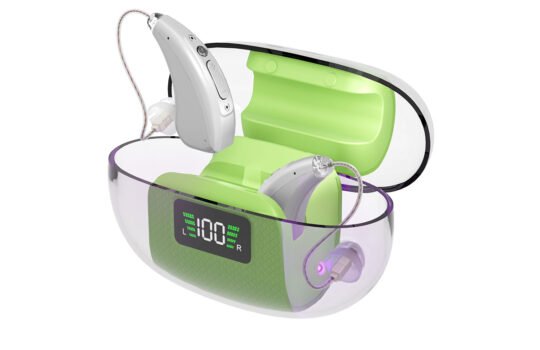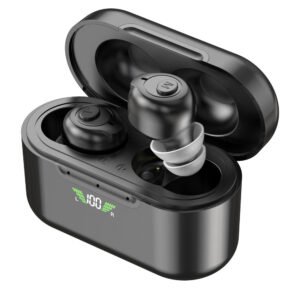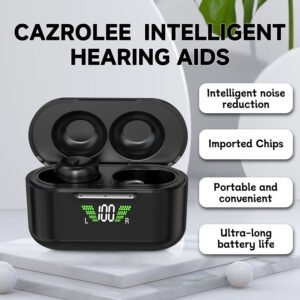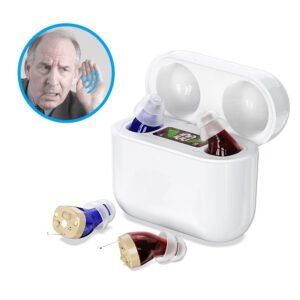

As the global demand for affordable hearing care continues to surge, the over-the-counter (OTC) hearing aid market is evolving faster than ever. By 2026, buyers—ranging from large-scale medical distributors to local tech retailers—are prioritizing devices that are feature-rich, user-friendly, and technologically integrated.
For procurement professionals, understanding the shift in end-user expectations is the key to a successful product lineup. Below, we explore the essential features shaping purchasing decisions in this dynamic sector.
Table of Contents
- Bluetooth Connectivity: Wireless Convenience
- Rechargeable Batteries: The End of Button Cells
- Advanced Noise Reduction & Clarity
- Invisible or Discreet Design Trends
- Easy Self-Fitting and App Control
- Hygiene and UV Sterilization Features
- Certification, Compliance, and Standards
- Matching Features to Market Demands
Bluetooth Connectivity: Wireless Convenience is Now Essential
For the American and European markets, Bluetooth has transitioned from a premium add-on to a must-have feature. In 2026, users expect their hearing aids to function as high-quality wireless earbuds.
Key requirements for buyers include:
- Stable Pairing: Seamless connection with both Android and iOS platforms.
- Hands-Free Calling: High voice clarity for phone calls and video conferencing.
- Dual-Mode Functionality: Devices that support both environmental hearing enhancement and high-fidelity audio streaming.
CazroLee Insight: Our GM-903BT and GM-350BT models integrate advanced Bluetooth technology, allowing users to switch between call and hearing modes effortlessly.
Rechargeable Batteries: Goodbye to Tiny Button Cells
User frustration with traditional button cell batteries has reached an all-time high. By 2026, rechargeable solutions are the standard for sustainable and cost-effective hearing care.
The most in-demand specifications for procurement include:
- Extended Battery Life: Up to 30-40 hours of continuous use per charge.
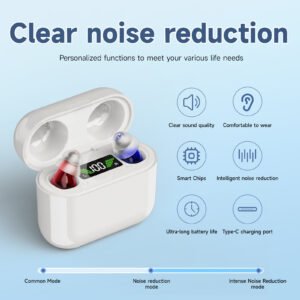
- Fast Charging Cases: Portable cases with digital power displays and magnetic charging.
- Universal Charging: Type-C interfaces that match modern consumer electronics.
Most of CazroLee’s product catalog features high-capacity rechargeable batteries, ensuring users never have to worry about running out of power mid-day.
Advanced Noise Reduction: Clarity in Every Environment
Noise filtering technology is a top priority for users who want to stay active in social settings. Buyers are looking for medical-grade processing in an OTC package:
- Multi-channel DSP Chips: Intelligent suppression of background noise while elevating speech.
- Adaptive Feedback Cancellation: Advanced algorithms to prevent the annoying “whistling” sound.
- Automatic Environment Adjustment: Volume that scales based on the ambient sound level.
Invisible or Discreet Design: Small Size, Big Impact
Discretion remains a major purchase driver, especially for first-time users. The trend in 2026 is moving toward ultra-compact, ergonomic designs that minimize the stigma of hearing loss.
- CIC and IIC Formats: Completely-in-Canal (CIC) and Invisible-in-Canal (IIC) designs.
- Skin-Tone Aesthetics: Multiple color options to blend with various complexions.
- Lightweight Materials: Ensuring all-day comfort for the wearer.
The CazroLee CIC hearing aids are specifically engineered to be invisible to the naked eye while remaining incredibly easy to operate.
Easy Self-Fitting and User Control
The hallmark of the OTC category is independence. Devices must be intuitive for non-clinical users to set up without an audiologist.
- Companion Apps: Mobile interfaces for fine-tuning EQ, volume, and mode selection.
- On-Device Controls: Touch-sensitive or one-button physical controls for quick adjustments.
- Smart Alerts: Low battery reminders and maintenance notifications.
CazroLee offers advanced hearing aids with full app compatibility, allowing users to customize their hearing experience directly from their smartphones.
Hygiene and UV Sterilization Features
Health consciousness in 2026 extends to the maintenance of the device. Buyers increasingly value bundles that include integrated hygiene solutions:
- UV-C Sterilization: Charging cases equipped with built-in UV lights to kill bacteria.
- Moisture Resistance: IP-rated designs to protect against sweat and dust.
- Antimicrobial Tips: Replaceable, easy-to-clean ear tips for long-term health.
Certification, Compliance & Global Standards
For wholesalers and project procurement leaders, regulatory compliance is non-negotiable. To enter the US and European markets legally, products must meet strict standards:
- FDA Registration: Mandatory for the U.S. OTC hearing aid market.
- CE Certification: Required for safety and performance in the EU.
- RoHS/REACH: Compliance with environmental safety regulations regarding hazardous materials.
Matching Features to Market Demands
Selecting the right OTC hearing aids involves more than just looking at a spec sheet; it is about aligning with 2026’s consumer lifestyle. Whether your target demographic prioritizes invisible wear, seamless connectivity, or rechargeable convenience, focusing on these eight pillars ensures your inventory remains competitive.
By investing in high-tech, compliant, and user-centric devices, distributors can expect stronger brand loyalty, lower return rates, and increased sales in the booming hearing health sector.
Ready to upgrade your product lineup?
If you would like to learn more about our 2026-ready product range, please fill out our contact form or get in touch with our procurement experts today!